Quiet
01
A calmer cabin
An electric ride replaces engine noise with a quieter place to think, talk, listen or simply watch the city pass by.
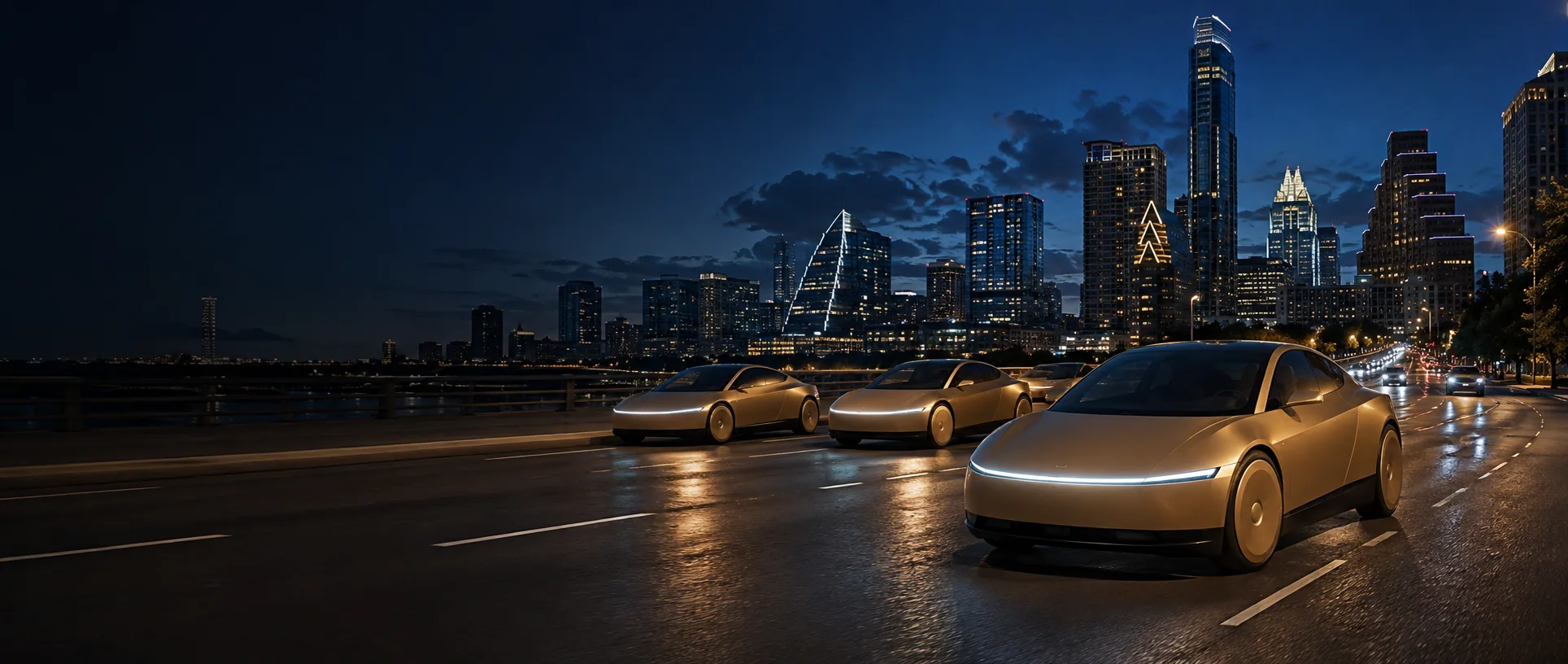
Lantern is building an autonomous taxi operation around the part that matters most: the ride. Quiet cabins, thoughtful care and vehicles that are ready when people need them.
Designed around the passenger
Autonomy changes more than who drives. It lets the vehicle experience start with the passenger: their space, their settings, their time and their peace of mind.
An electric ride replaces engine noise with a quieter place to think, talk, listen or simply watch the city pass by.
Tesla Robotaxi can carry your preferred climate and media settings between rides, so the cabin can feel familiar from the moment you enter.
Trip details and support are available through the app and vehicle touchscreen, including the ability to request a safe pull-over.
Cybercab is designed for two riders with generous legroom and a trunk sized for luggage, errands and the things you bring along.
Why autonomous
Cybercab is not a familiar car with one seat removed. Tesla designed it for full autonomy, giving the cabin a completely different purpose.
Every part of the cabin is designed around the people taking the ride.
Pickup, doors, climate, seat settings, music and trip support are managed through the app or touchscreen.
Bench-style seating, 43.4 inches of legroom and 20.2 cubic feet of trunk space make a compact vehicle feel generous.
Reliability is an operation
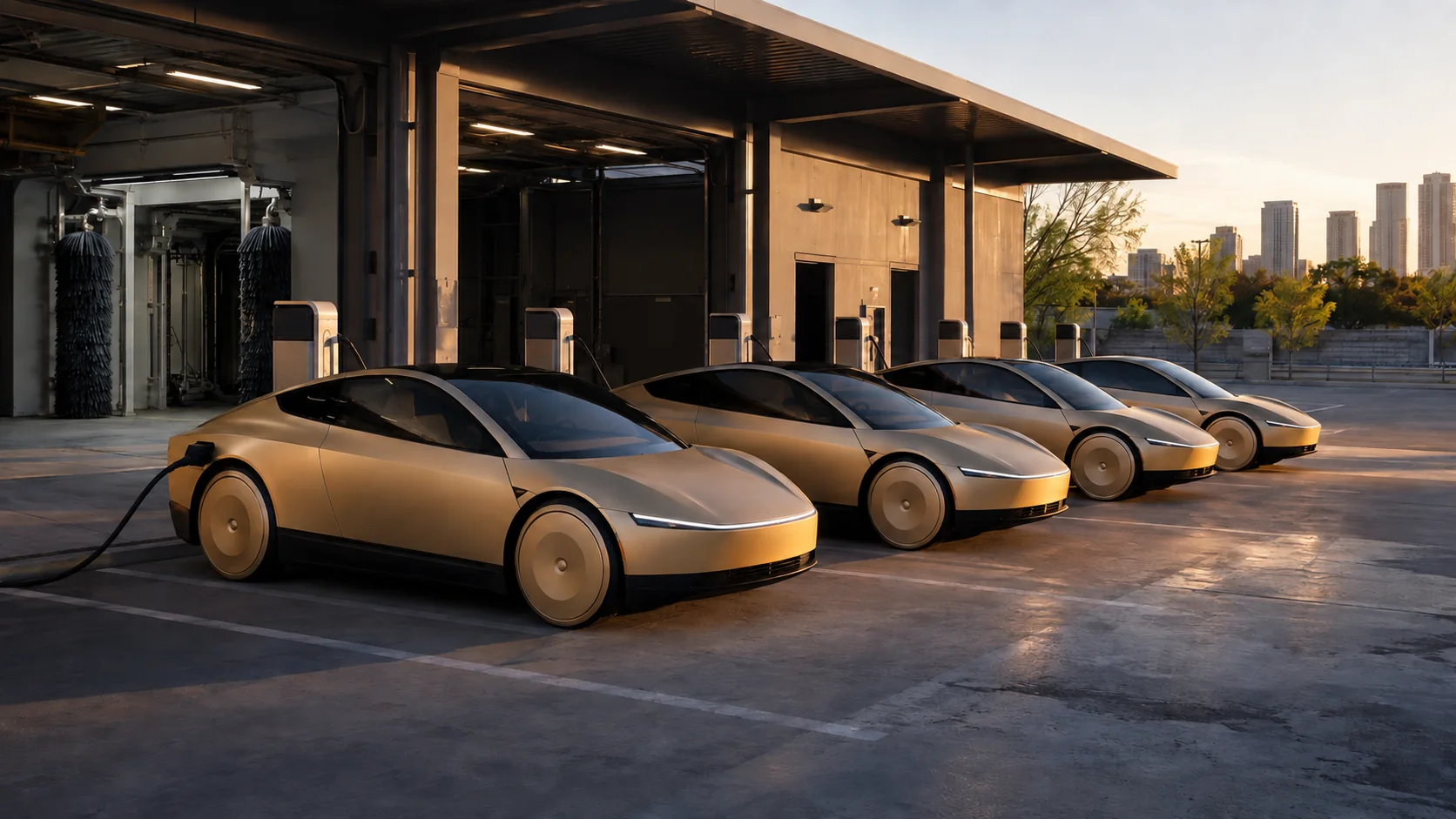
Autonomous vehicles still need people behind them. Lantern's job is to coordinate the charging, cleaning, inspections and maintenance that turn advanced vehicles into a dependable local service.
Check the cabin, clear anything left behind and restore the vehicle for the next rider.
Keep vehicles charged around expected demand, without interrupting the moments riders need them most.
Review condition, cleanliness and service signals before a vehicle returns to the active fleet.
Route issues to the right service partner and return vehicles only when they meet the Lantern standard.
The goal is simple: every vehicle returns to service clean, charged, checked and ready for its next rider.
What Lantern does
Tesla creates the autonomous vehicle and the ride experience. Lantern builds the local operation that cares for the vehicles every day.
Charging, inspection and maintenance coordinated as one daily rhythm.
Clean, comfortable cabins and a clear way to get help when it matters.
An Austin team that understands the streets, demand patterns and service partners.
Built here first
Austin is where Lantern will learn what riders value, how vehicles move through a demanding city and what it takes to deliver a consistently excellent autonomous ride.
The autonomous city is arriving
Lantern is connecting with Austin site partners, charging providers, service specialists and people who want to shape a better rider experience.
Build with Lantern